


January 2024 gave me one of my best betting months in years, and the reason was embarrassingly simple: I faded every road team on the second night of a back-to-back. No advanced model, no goaltender deep-dive — just a rule applied ruthlessly. Thirteen plays, nine winners. That streak oversimplified the strategy, of course, but it crystallised something I had been noticing for seasons: back-to-back fatigue is the single most underpriced factor in the NHL regular season.
The 82-game schedule crams an enormous amount of hockey into roughly seven months. Every team plays at least a dozen back-to-back sets per season, and the physical toll of two games in consecutive nights shows up in every dataset I track. Home teams won 56.6% of their games in 2024-25, but that figure drops sharply when the home side is playing the second leg of a back-to-back — and it drops even further when the second game involves travel.
Back-to-Back Performance Data
The numbers here are not subtle. Across the past five NHL seasons, teams on the second night of a back-to-back have consistently underperformed their expected win probability. The decline varies by team quality, but even elite sides like Colorado and Florida see a measurable drop in save percentage, shot volume, and power-play efficiency on zero rest.
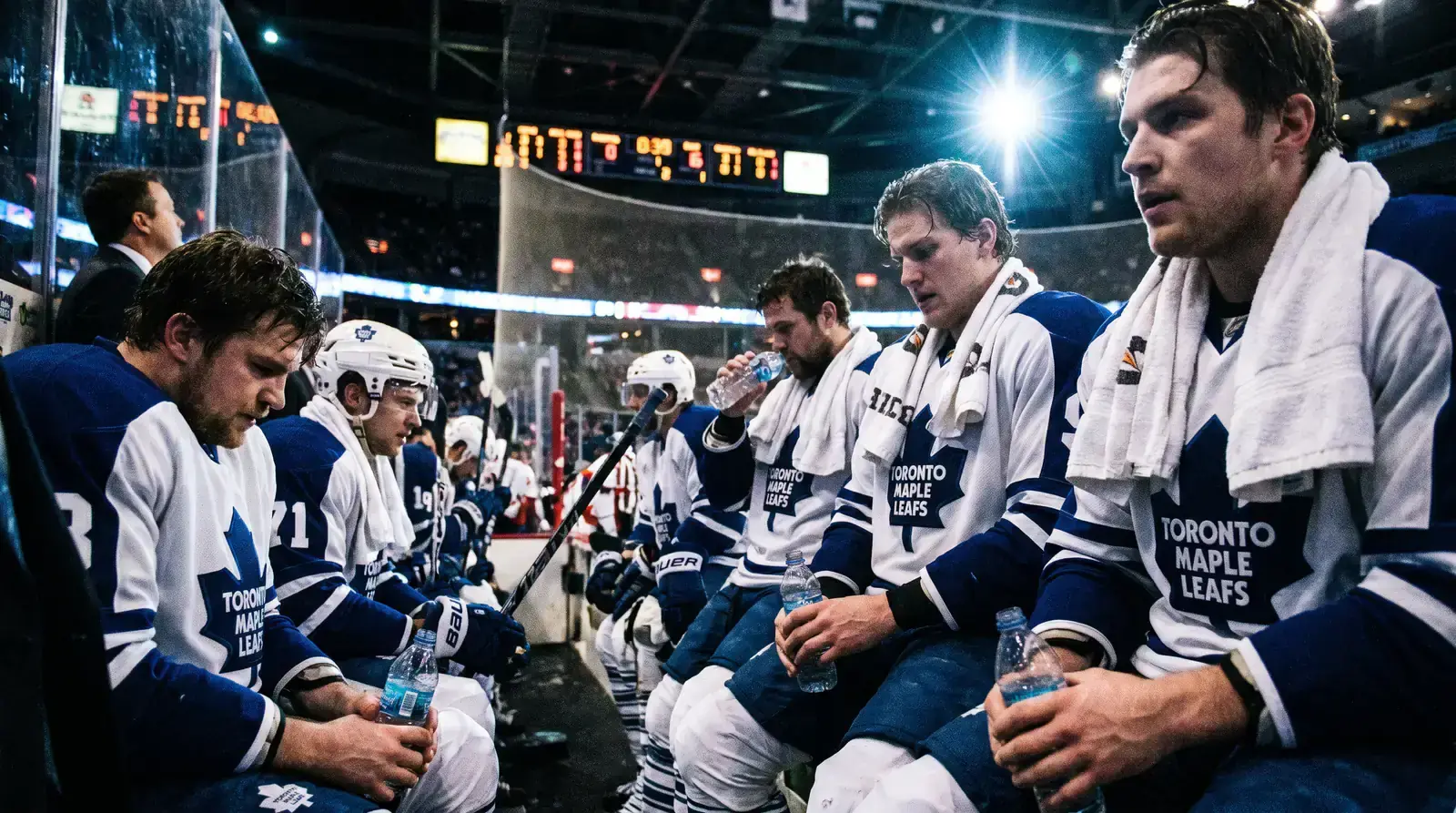
Home underdogs in the 2024-25 season won 44.4% of their games outright. When the favourite was on the back end of a back-to-back, that number climbed. The market adjusts for fatigue — bookmakers are not blind to it — but the adjustment is almost always insufficient. Part of the reason is that public bettors anchor on team reputation. They see Tampa Bay at home and back them regardless of schedule context, which keeps the line closer to what it would be on a normal rest day than the data warrants.
I break back-to-back situations into two tiers. Tier one: the team played at home the previous night and plays at home again — this is the mildest fatigue scenario. No travel, familiar environment, same routine. The performance decline here is real but modest, roughly 2-3% below baseline win expectancy. Tier two: the team played on the road the previous night and either travels to a new city or returns home. This is where the damage compounds — travel fatigue layered on top of game fatigue, often crossing time zones. Tier two back-to-backs produce the widest gap between market expectation and actual results.
Goalie Rotation on Back-to-Back Nights
Gary Bettman himself has spoken about the integrity systems the NHL deploys, saying they monitor every minute of every game. That same intensity of monitoring extends to the goaltending market, and the reason is straightforward: the starting goaltender is the single most impactful variable for totals and moneyline bets.
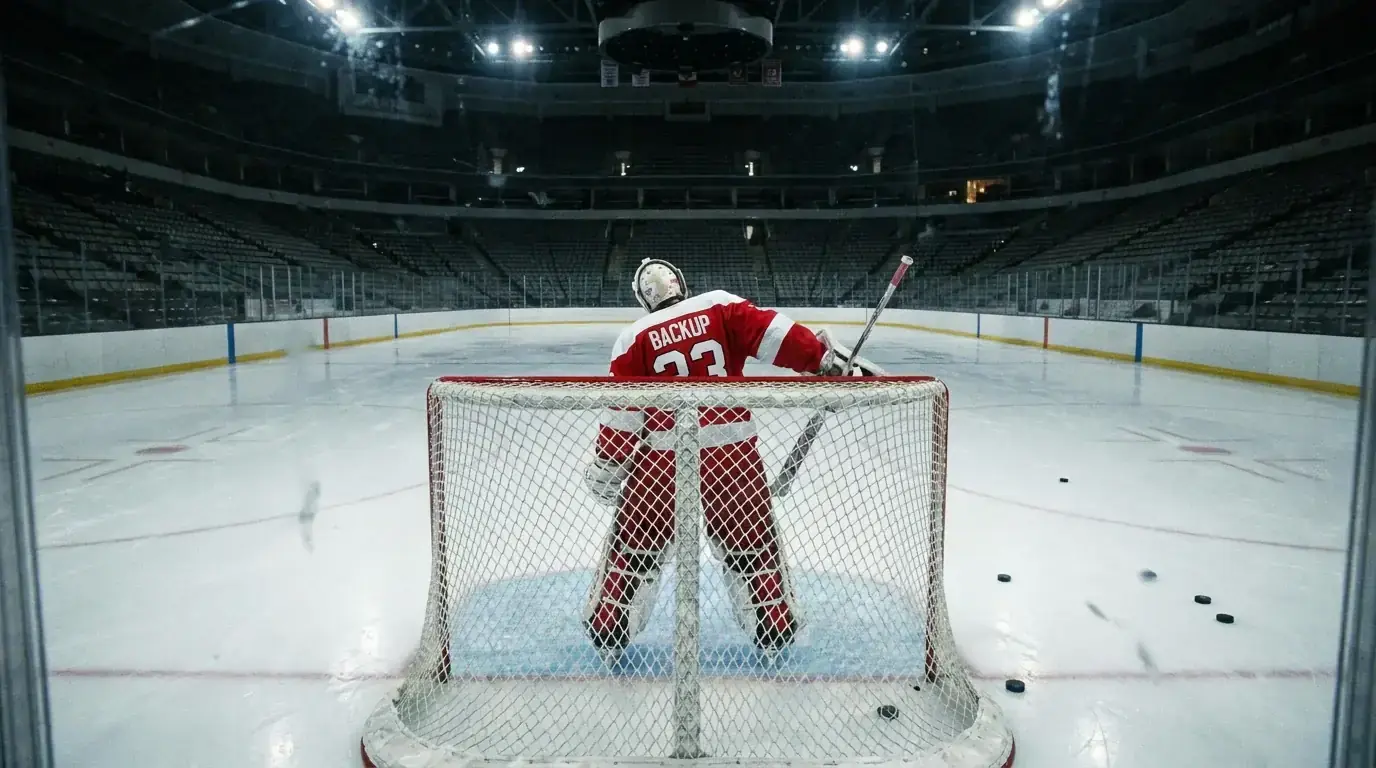
On back-to-back nights, roughly 70-75% of NHL teams start their backup goaltender in the second game. That rate has been climbing over the past three seasons as coaches prioritise workload management, especially for elite goalies. The backup, by definition, is a lower-quality option. The league-wide average save percentage in 2025-26 already dropped to 89.6% — the lowest in three decades — and backup goalies sit meaningfully below even that depressed average.
For bettors, the goaltender switch on a back-to-back creates a clear workflow. Step one: identify which teams are on a back-to-back by checking the schedule the day before. Step two: monitor goaltender announcements, which typically come between 10am and 12pm Eastern time on game day — that is 3pm to 5pm UK time. Step three: if the backup is confirmed, reassess the total and moneyline based on the backup’s recent form, not the team’s season-long numbers. I have seen games where the market barely moves after a backup announcement because the public does not adjust its bets. Those are the spots where I pile in.

Fading Back-to-Back Teams
Fading means betting against, and it is the most direct way to exploit back-to-back fatigue. My approach is simple but disciplined: I look for teams on the second night of a back-to-back that are still priced as favourites or slight underdogs. The market expects them to compete; the schedule says they will underperform.
Home underdogs covered the puck line at +1.5 about 60% of the time last season. When the favourite is fatigued and running a backup netminder, the cover rate for the opposing side — the rested team — climbs higher. The underdog puck line becomes a particularly attractive play because the tired team often hangs around due to raw talent but cannot sustain a multi-goal lead, meaning the game stays close and the +1.5 cashes.
I impose three filters before fading a back-to-back team. First, their opponent must be rested — at least one day off before this game. If both teams are on a back-to-back, the fatigue effect cancels out and the play disappears. Second, the travel distance matters: a team that played in Vancouver last night and travels to Calgary faces a short flight, but a team that played in Florida and travels to Minnesota faces a much harsher physical toll. Third, I confirm the goaltender situation. If the back-to-back team somehow starts their number-one goalie in both games, the fatigue edge diminishes significantly because the goaltending quality gap narrows.
One mistake I made early on was fading elite teams on back-to-backs indiscriminately. Teams like Colorado and Edmonton have the depth to absorb fatigue and still win. The sweet spot for fading is teams ranked 10th to 20th in the league — good enough to be priced as favourites or pick ’ems, but not deep enough to overcome the compounding effects of zero rest and a backup goaltender. That mid-tier is where the market overestimates resilience, and where my back-to-back strategy delivers its best returns.
Tracking and Timing Your Back-to-Back Plays
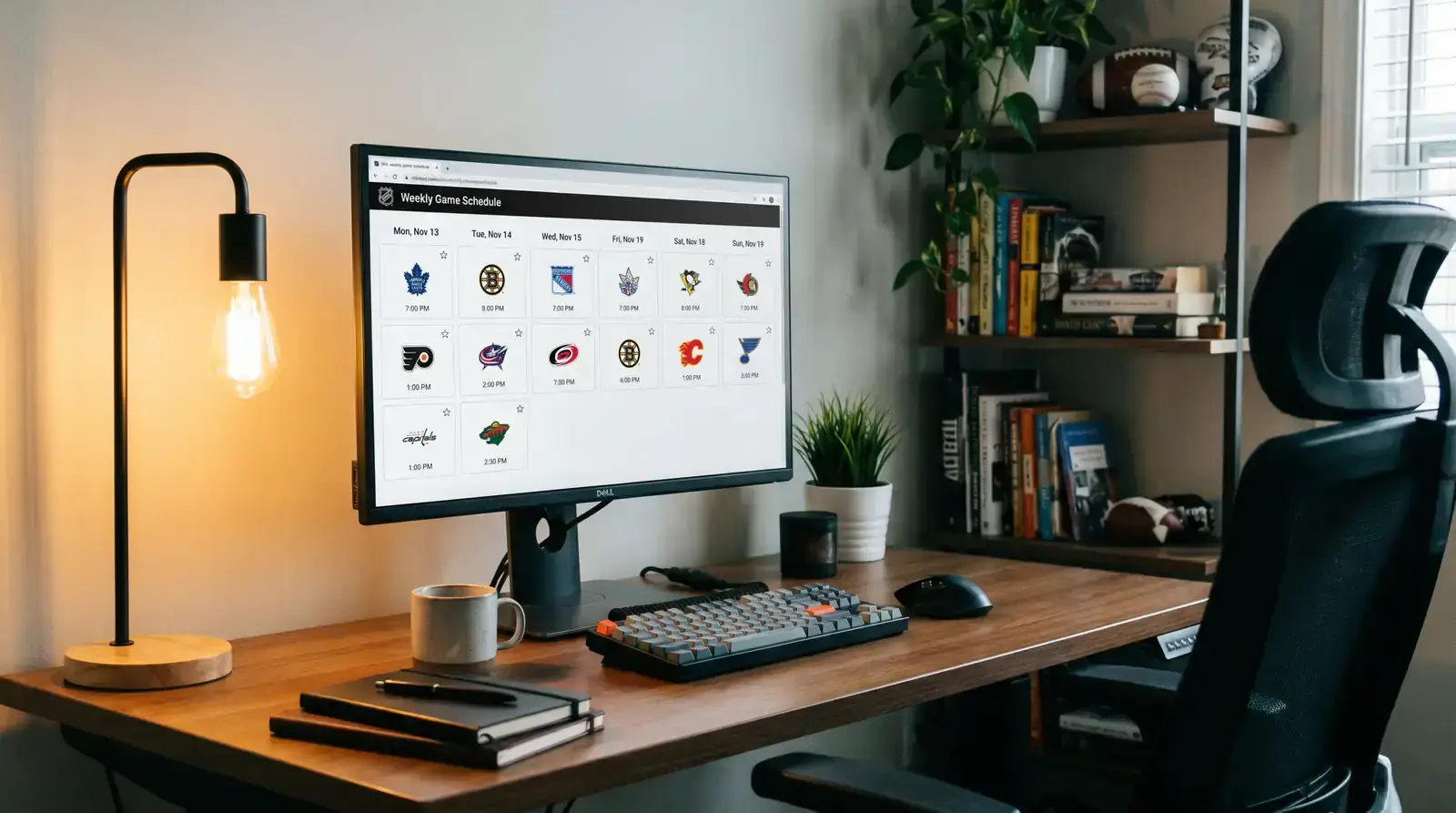
The practical side of this strategy requires a calendar. I print the NHL schedule at the start of each month and highlight every back-to-back set for every team. On mornings where a back-to-back second game aligns with my tier-two criteria, I set a reminder for 3pm UK time to check goaltender confirmations. If the backup is starting and the opponent is rested, I place the bet before the evening line movement from North American public money pushes the value out of the market.

Back-to-back situations appear roughly 25-30 times per week across the league during the busiest months — November, January, and March. That volume means you will never run out of potential plays, but selectivity is what separates profit from noise. I target six to eight back-to-back fades per week during peak months, and my long-term hit rate on the moneyline side is comfortably above 54%, which is all you need at average underdog odds to stay profitable.
