


I placed my first NHL futures bet in October 2019, backing a team at 18.00 to win the Stanley Cup. They were eliminated in the first round. I placed my second futures bet in October 2020, same approach, different team, at 22.00. They made it to the conference finals before bowing out, and I was kicking myself for not hedging. Those two experiences taught me that futures betting is not about picking the winner — it is about managing a position across months, and the bettors who treat it as a single fire-and-forget wager leave enormous value on the table.
Types of NHL Futures Markets
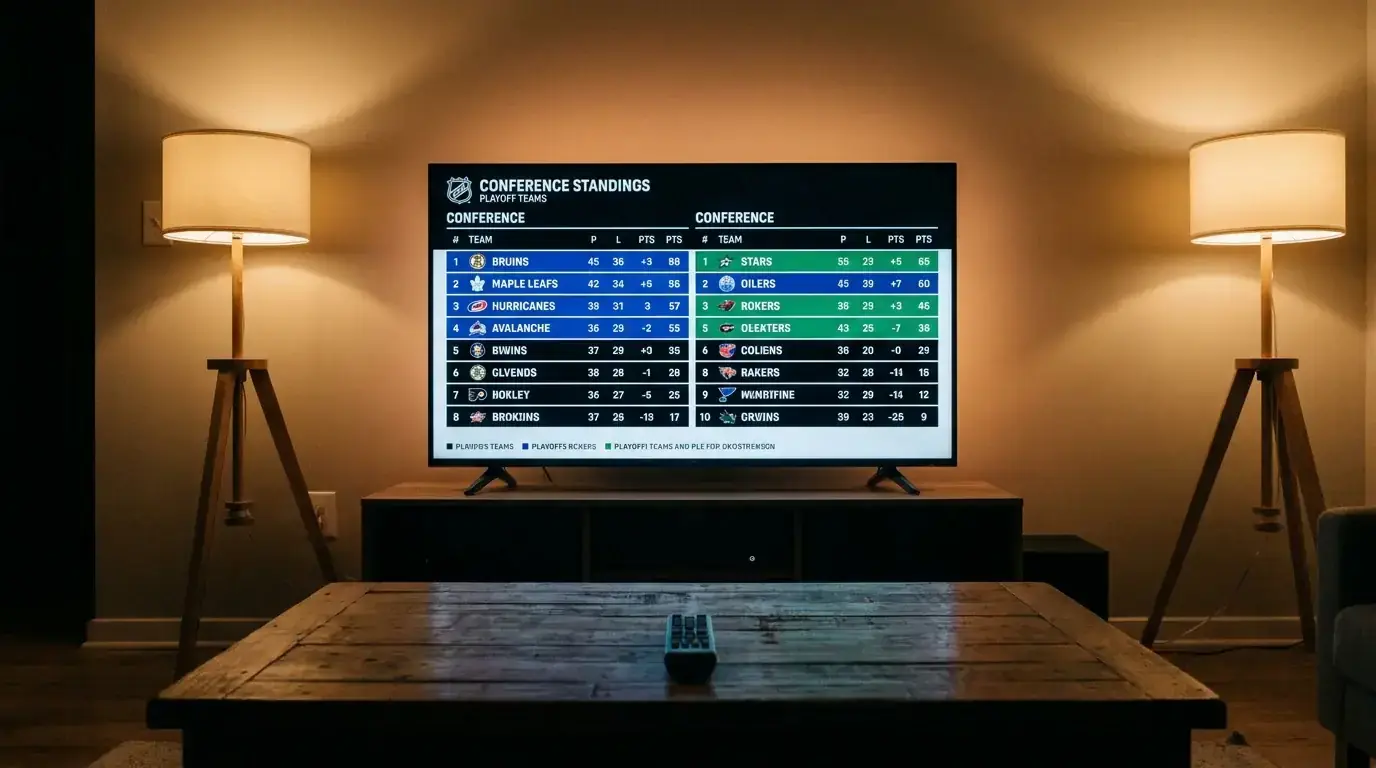
UK bookmakers offer a broader range of NHL futures than most punters realise. The headline market is the Stanley Cup outright — pick the champion before or during the season, and your bet settles in June. Colorado won the Presidents’ Trophy in 2025-26, and their odds compressed throughout the season as their dominance became obvious. Connor McDavid led the league in scoring, which made Edmonton another public favourite. But the value in Stanley Cup futures almost never lives with the consensus pick.

Division and conference winners are the next tier. These markets settle earlier and have shorter odds because you are picking from a pool of eight teams rather than 32. I prefer division markets to the Cup outright because the sample of games that determines the outcome — 82 per team in the regular season — is large enough for skill to dominate variance. The Cup playoffs, by contrast, are a four-round gauntlet where a hot goaltender can override everything.
Season props round out the menu: over/under on a team’s regular-season points total, top goalscorer, and Hart Trophy winner. These markets are less liquid and attract less sharp money, which means the pricing is softer. I have found consistent value in team points totals, particularly for teams the public underestimates — mid-table sides that quietly improved their roster during the off-season but have not attracted media hype.
One factor that hangs over the entire futures landscape right now: the CBA expires after the 2025-26 season. Any bet that extends into the 2026-27 campaign carries labour-dispute risk, and the market has not fully priced that uncertainty into longer-dated futures. I allocate less to multi-season futures than I normally would, and I recommend UK bettors do the same until the collective bargaining situation clarifies.
Timing Your Futures Bets
The single most important variable in futures betting is when you place the wager. The same team can be priced at 12.00 in September, 8.00 in December, and 4.00 in March. If your analysis is correct, every week you wait costs you value.

I split my futures allocation into three tranches. The first tranche goes in during the pre-season, typically late September, when odds are longest and the market is pricing off last season’s performance plus off-season moves. This is the highest-risk window because injuries, unexpected roster changes, and early-season variance can make your pick look foolish by November. But the odds compensate for that risk.
The second tranche goes in around the American Thanksgiving break — late November — when 20-25 games of data have separated contenders from pretenders. By this point, I know which teams are genuine threats and which were over-hyped. The odds have shortened on the obvious contenders, but value still exists on teams that started slowly due to schedule difficulty and are now finding their form.
The third tranche is a mid-season adjustment in January. If my pre-season pick is performing as expected, I do not add. If a new contender has emerged that I missed, I take the position at what are still relatively generous odds compared to the playoff race in March. After January, I stop buying futures and switch to position management — hedging, letting rides, or cashing out depending on the situation.
The schedule expansion from 82 to 84 games starting in 2026-27 will affect futures timing in future seasons. Two extra games per team means a slightly longer regular season, which gives late-blooming teams more runway to climb the standings and creates a wider window for mid-season futures entries.
Hedging and Cashing Out
Hedging is the skill that separates recreational futures bettors from serious ones. If you backed a team at 15.00 before the season and they reach the conference finals, your ticket is worth significantly more than your original stake. You have two choices: ride it out and accept binary risk, or hedge by backing the opponent in the next round, locking in a guaranteed profit regardless of outcome.

My hedging rule is simple. Once my futures ticket’s potential return exceeds ten times my original stake, I hedge enough to guarantee a profit equal to five times the stake. The remaining upside still gives me a significant payout if the team wins, but the downside floor protects my bankroll. That 5x floor means I am never disappointed with a loss because the hedge already secured a strong return.
UK bookmakers’ cash-out features offer a third option. Most major operators will buy back your futures ticket at a calculated price that factors in the team’s current odds and the remaining schedule. The cash-out price is always below the mathematically fair value — the bookmaker takes a spread — but the convenience can be worth the cost if you want to reallocate capital to a better opportunity. I use cash-out sparingly and only when the value gap between the cash-out price and the fair value is less than 10%.
One nuance that catches out even experienced bettors: the cash-out price fluctuates based on the team’s latest result. After a big playoff win, the cash-out offer spikes because the team’s odds have shortened. After a loss, it drops. I have learned to avoid making cash-out decisions in the emotional window immediately after a game. Wait until the following morning, review the adjusted odds landscape with a clear head, and then decide whether the offer on the table is worth accepting. Impulse cash-outs after a scary loss have cost me more cumulative value than any analytical mistake I have made in the futures market.
The best futures bettors I know maintain a simple log: entry date, entry odds, current odds, implied probability at entry, and current implied probability. That log tells you at a glance whether your position has gained or lost value without requiring you to check cash-out prices every day. It also provides the data you need to make rational hedging decisions — when the gap between your entry probability and the current market probability exceeds a threshold you have set in advance, you act. Everything else is noise.
