
I lost a bet once that I thought I had won. My team won the game 4-3, but my three-way moneyline bet had been settled as a loss because the winning goal came in overtime and I had backed the regulation-time winner. The payout structure was right there in the terms, but I had not read them carefully enough. That was a cheap lesson — the stake was small — but it revealed a knowledge gap that costs UK bettors real money every season. NHL overtime and shootout rules interact with betting markets in ways that are fundamentally different from football, and understanding those interactions before you place a bet is not optional.
OT Rules and Markets
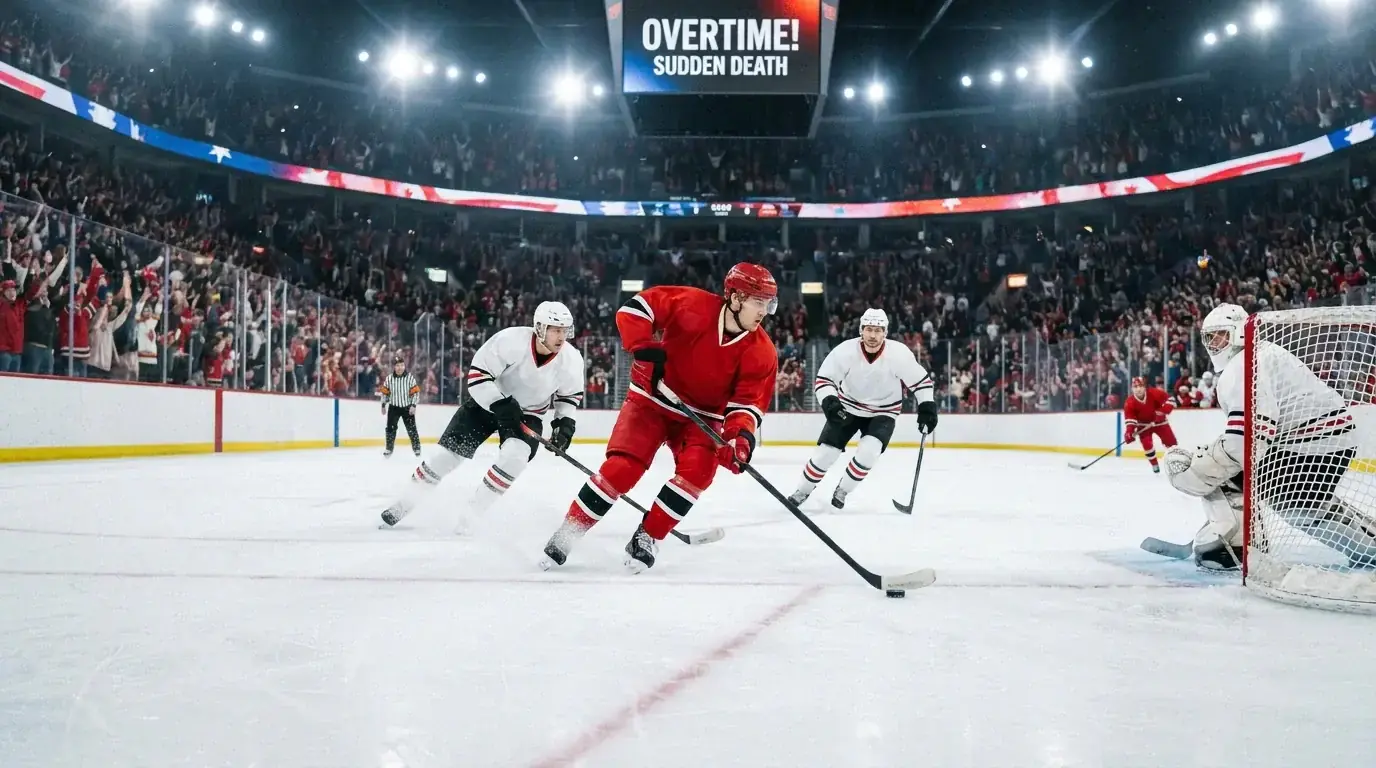
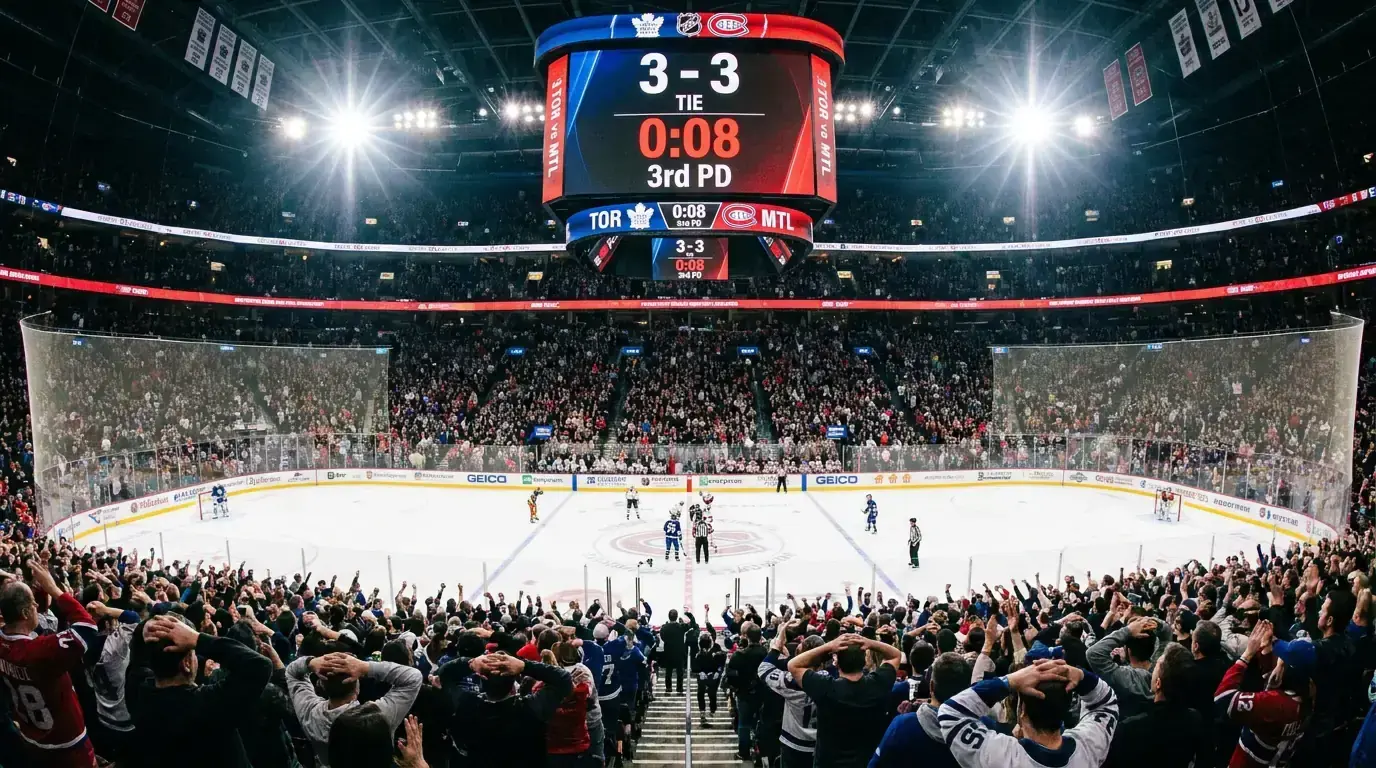
NHL regular-season overtime is a five-minute, three-on-three period. If no one scores, the game goes to a shootout. The team that wins in either overtime or the shootout gets two standings points; the team that loses gets one point. This is different from football’s extra time, where the result affects regular league standings identically to a regulation result. In the NHL, the overtime-loss point creates a situation where both teams “get something” from extra time, which has implications for how bet settlement works.

Gary Bettman, the NHL commissioner, has expressed confidence in the integrity of the league’s product, saying he does not believe the game is susceptible to manipulation the way others might be. That integrity framework extends to how betting markets are structured around overtime — the rules are clear, transparent, and consistently applied across licensed operators.
The standard two-way moneyline — the default at most UK bookmakers — includes overtime and the shootout. Your team simply needs to win the game, however it ends. Home underdogs won 44.4% of these bets in the 2024-25 season, a number that includes overtime and shootout victories. The three-way moneyline, available at some operators, offers three options: home win in regulation, away win in regulation, or a draw at the end of regulation (meaning the game went to overtime). The draw option typically prices around 4.00 to 5.00, which is attractive because roughly 23-25% of NHL regular-season games reach overtime.
Shootout Settlement
The shootout is a skills competition that determines the winner when overtime does not produce a goal. For betting purposes, the shootout goal counts as a single goal scored by the winning team, meaning the final score is always one goal apart. A game that is 3-3 after regulation and overtime, and won in the shootout, is settled as 4-3 for moneyline and puck line purposes.
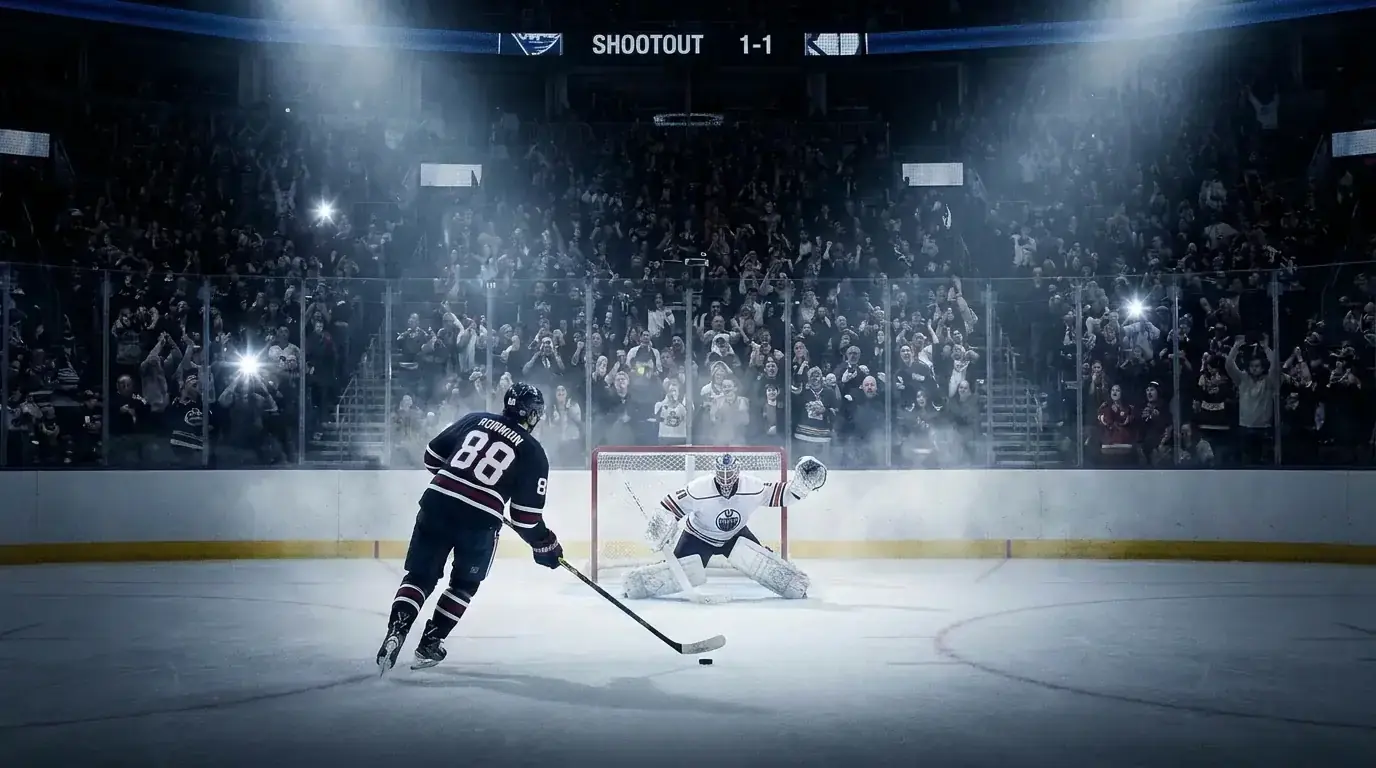
This matters enormously for the puck line. A +1.5 underdog bet covers any game that goes to a shootout because the margin can never exceed one goal. In 2024-25, underdogs covered the puck line at roughly 60%, and a meaningful portion of those covers came from shootout results where the underdog lost but the one-goal margin kept their +1.5 alive. If you are backing underdogs on the puck line, shootout games are your friend — and the 23-25% overtime rate means nearly a quarter of all games have this built-in cover mechanism.
Totals settlement after a shootout is where confusion peaks. The shootout-winning goal counts toward the total at most UK bookmakers, so a game that was 2-2 after regulation and overtime, won in the shootout, settles as 5 total goals (2+2+1). That extra goal can flip an under into an over on a 4.5 line. Always check your bookmaker’s specific rules — a small number of operators settle totals based on regulation-time score only, and the difference can change the outcome of your bet.
Regulation-Time-Only Bets
Some UK bookmakers offer a “regulation time only” market where overtime and the shootout are excluded. These bets settle on the score at the end of the third period. If the game is tied after 60 minutes, both sides lose in a two-way regulation market, or the draw pays in a three-way regulation market.
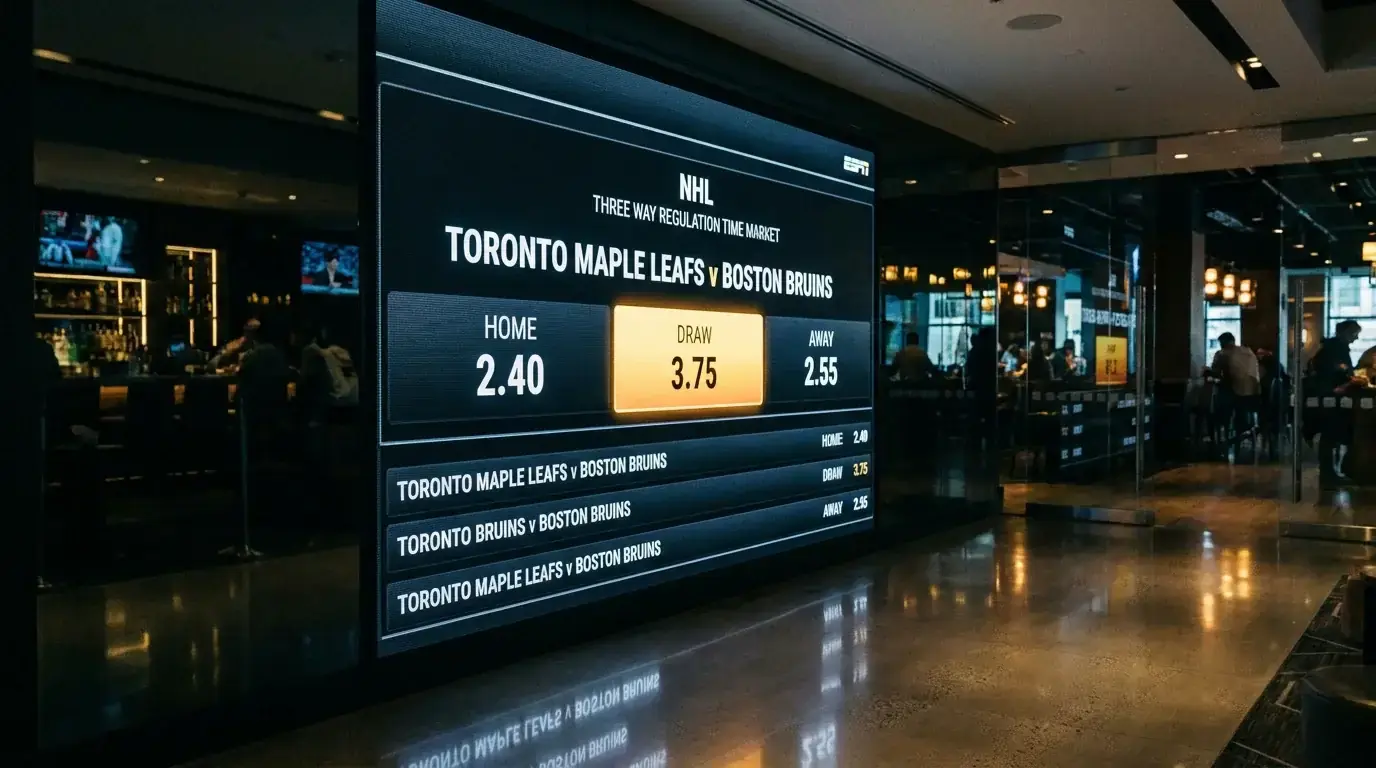
NHL underdogs won 39.1% of all games outright in 2024-25, but their regulation-time win rate is lower because some of those victories came in overtime or the shootout. The regulation-time market therefore prices underdogs differently — you will see shorter odds on the favourite in regulation because the draw soaks up some of the probability. For bettors who prefer cleaner, more predictable settlement, the regulation market removes the randomness of the shootout. For bettors who want to exploit the overtime/shootout cushion, the standard two-way moneyline is the better vehicle.
I use regulation-time markets selectively. When I have a strong view on one team dominating the other and winning in 60 minutes, the regulation moneyline offers better odds than the standard moneyline because it excludes the overtime and shootout scenarios where the weaker team has a chance. That price premium is typically 15-25% higher odds on the favourite side, which is significant when your analysis points to a regulation-time result.
Matching the Market to Your Thesis
The key takeaway from all of this is that the market you choose should match the specific outcome you are predicting. If your analysis says one team will win comfortably, the regulation moneyline offers better value. If your analysis says a team will keep it close but might lose, the puck line with overtime inclusion protects your position. If you think the game is a coin flip that will go to extra time, the three-way draw is the contrarian play.

I made the mistake early in my career of defaulting to the standard two-way moneyline on every game without considering whether a different settlement structure better fit my thesis. That default cost me value on games where I was right about the shape of the game but wrong about the final result in overtime. Now, I select the market type before I select the side. That reversal of process sounds minor, but it has meaningfully improved my returns by aligning each bet with the specific outcome I am most confident in predicting.
